WWE Smackdown vs. Raw 2011 Preview
Gameplay / Controls
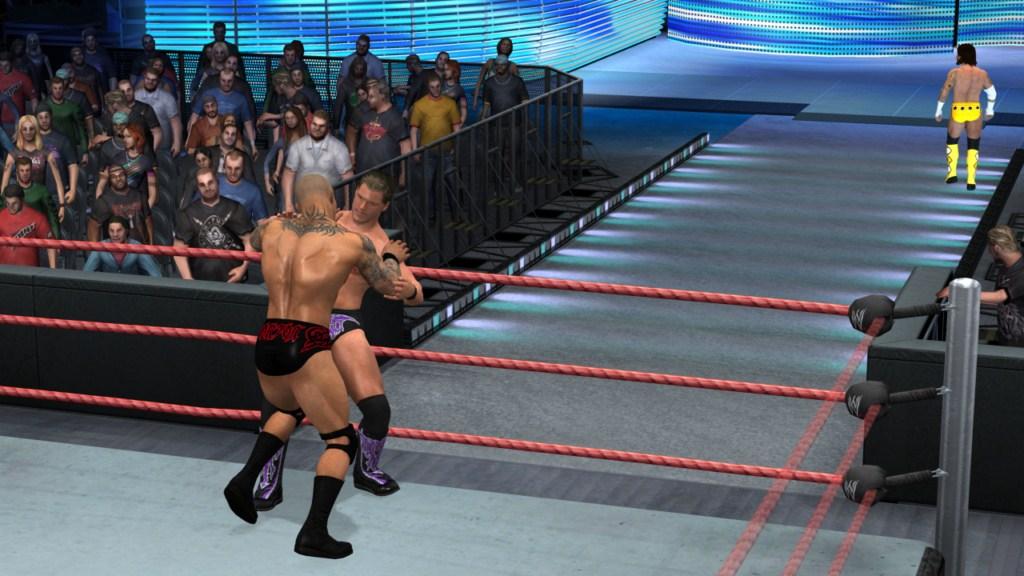
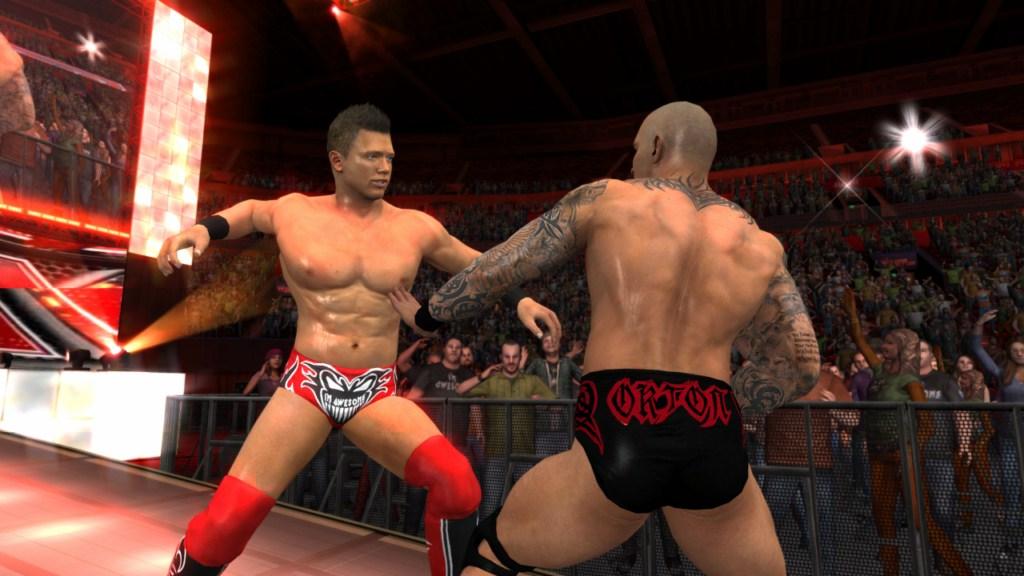
THQ has made numerous tweaks to this year’s game in order to make the game better in the gameplay / control department. These changes work to accomplish two different goals: make the game more accessible to all players and to help improve the flow of in-game matches to make the experience a lot closer to the actual wrestling we see on television. The biggest change returning gamers will notice is the removal of the grapple modifier. The gameplay system, as a whole, is still based heavily around grappling with your opponent using the right analog stick. In previous years, players would have to press a trigger button prior to engaging in a grapple with your opponent in order to initialize a strong grapple, that isn’t the case anymore. The type of grapple that you engage in is based on the condition of your opponent; at the beginning of a bout, engaging in a grapple will trigger what has traditionally been known in the game as a “light” grapple. As the match continues on, and you wear down your opponent, you will then engage in heavier grapples which will give you access to stronger follow-up moves. The new method of grappling truly gives the feel of an actual match; no longer will players, or the computer for that matter, be pulling off devastating moves right out of the gate. The end result is a more dynamic and well-constructed matches, in pretty much every mode of the game.
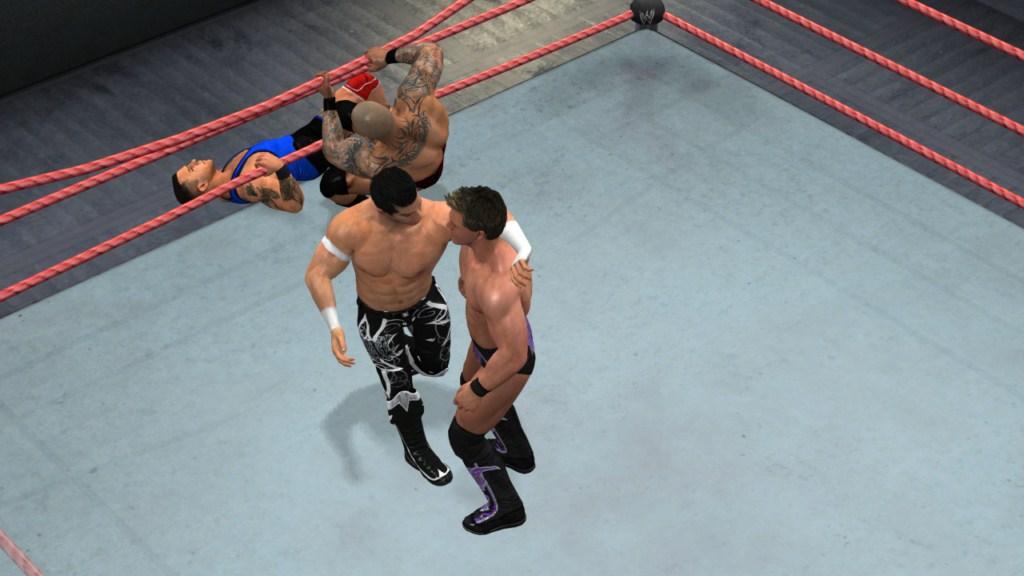
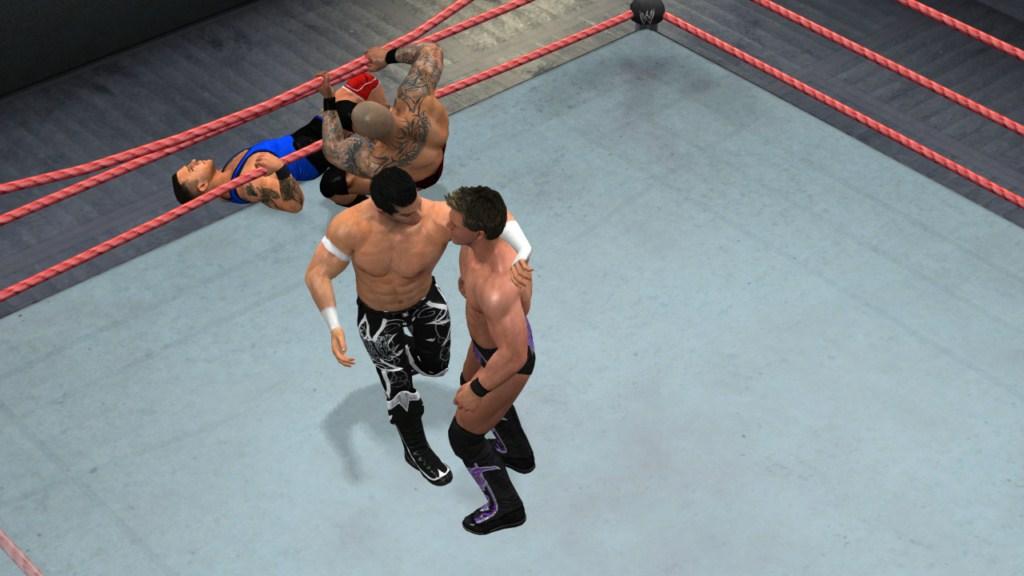
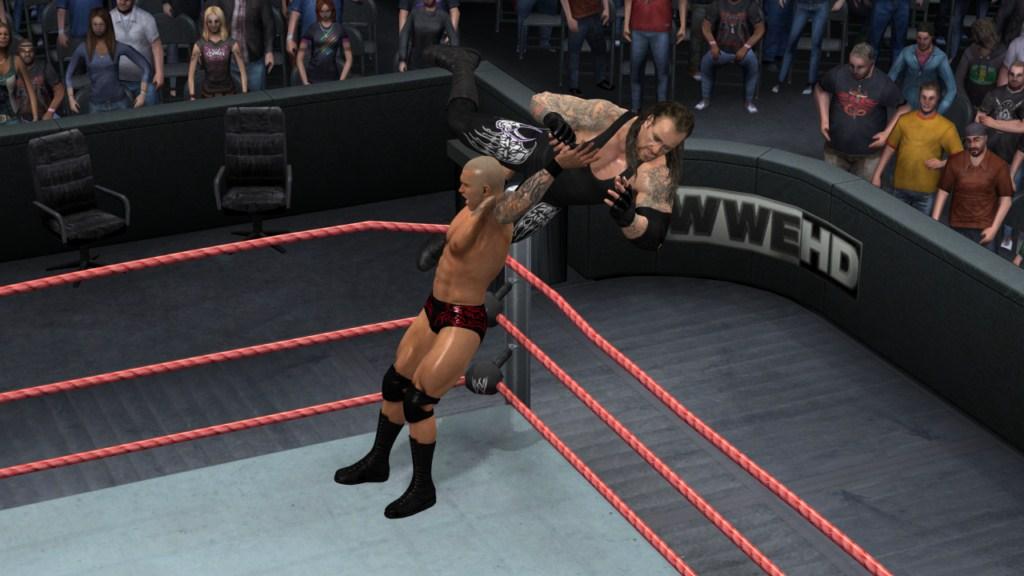
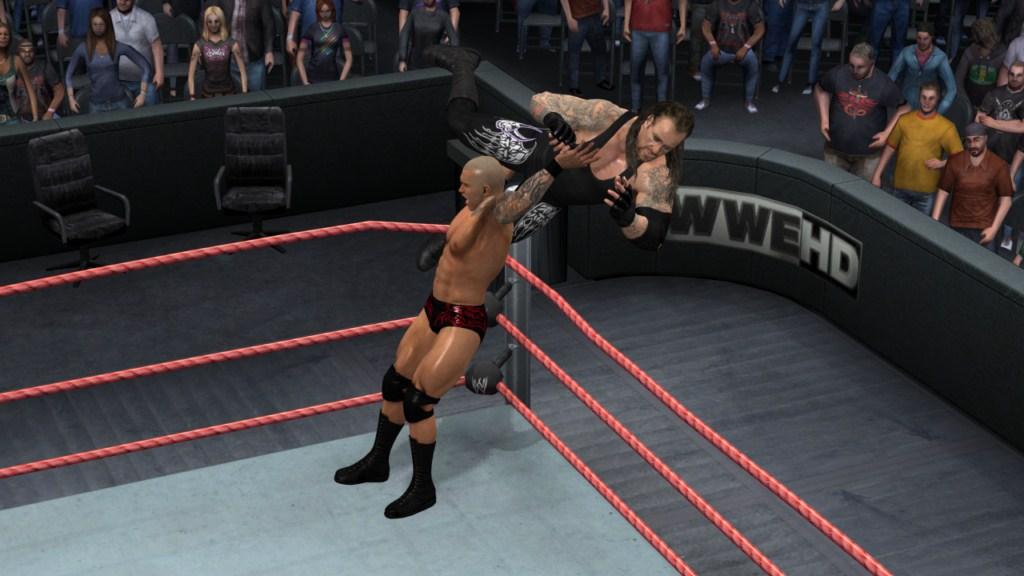
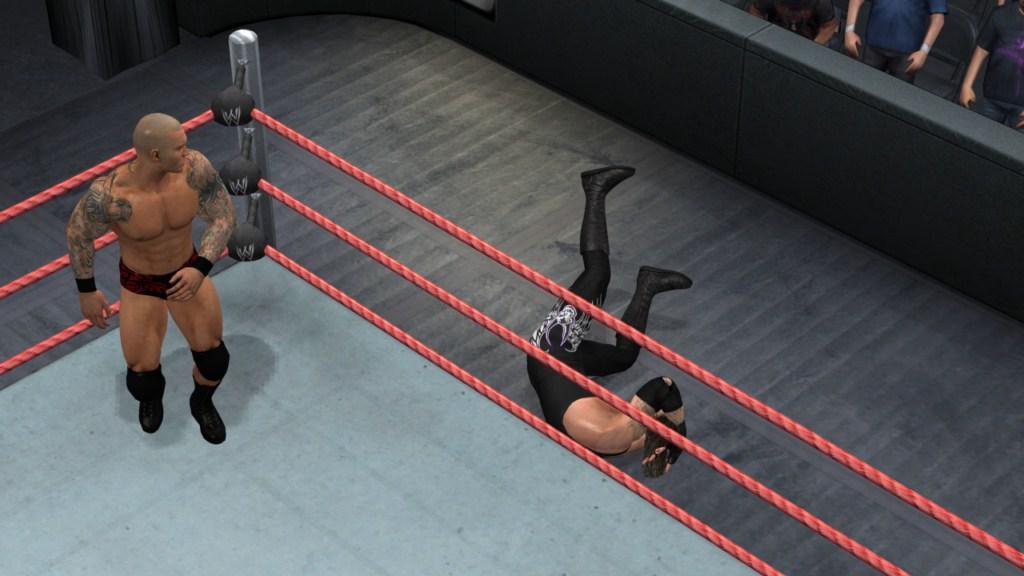
The other major change in terms of the controls is the mapping of both the pin command and the “lift up” command to the right analog stick. When your opponent is lying on the mat, regardless of the direction that they are facing, either of these moves can now be triggered with a simply flick of the right stick. This, once again, just plain “feels” better and more natural. The same up and down stick controls work in the ring corners as well; following up on an irish whip into the corner, flicking the right stick upwards will cause your character to lift the opponent up onto the ropes and set them up for a maneuver from the ropes, like a super-plex. On the other hand, flicking the stick down will place the opponent in the infamous “tree of woe”, inverting them and placing them in a precarious position in the corner which allows you to inflict some major damage on them.
There are many other subtle changes that players will discover throughout their experience with the game which all add up to a more player-friendly experience. For example, your opponent no longer has to be in a “groggy” state in order to initiate a finishing / signature maneuver. Once you have earned your finisher, it is yours to perform when you see fit; THQ stated that they no longer wanted to make the players work even harder after earning the chance to do the move to get to a point where you can pull it off. Once you earn the move, you can use it at your will. Players are also able to control the direction in which they throw characters. This is particularly handy in positioning your opponent in a particular point in the ring, perhaps setting up a top rope maneuver or positioning them for a table. Now, when you hoist an opponent up in any sort of throw or hold which will propel them back to the mat (think bodyslam or suplex), pressing the left analog stick in a given direction will dictate which way the move flows. Struggle submissions, which were introduced in last year’s game, can now be initiated from any offensive position with a simple flick of the right stick. This includes being transitioned into following a counter; if you happen to block and opponent’s puch or catch their leg during a kick to the midsection, you will be able to trigger a struggle submission.
There have been some alterations made to pin combinations in this year’s game as well. In the past, moves that concluded in a pinning-maneuver afterward were automatically initiated by the computer. This didn’t translate well in cases where perhaps they occurred early in the match or perhaps during match-type where pinfalls weren’t acknowledged. In this year’s game, when the player executes a maneuver that can be combined or transferred into a pinning maneuver, the will receive an onscreen indicator which will allow them to flow into the pin, but only if they hit the listed button. One of my biggest pet peeves with the game in the past was this exact issue; the AI often forced you into pinning predicaments when they weren’t necessary or desired, interrupting the flow of the game. That won’t be a case anymore thanks to the new changes instituted by Yukes and THQ. Overall, thanks to all of these changes, I would say that the control scheme for the game feels a lot more intuitive than it has in the past and I found myself participating in matches that flowed and felt a lot closer to actual wrestling matches than the series has offered in the past.Match Types
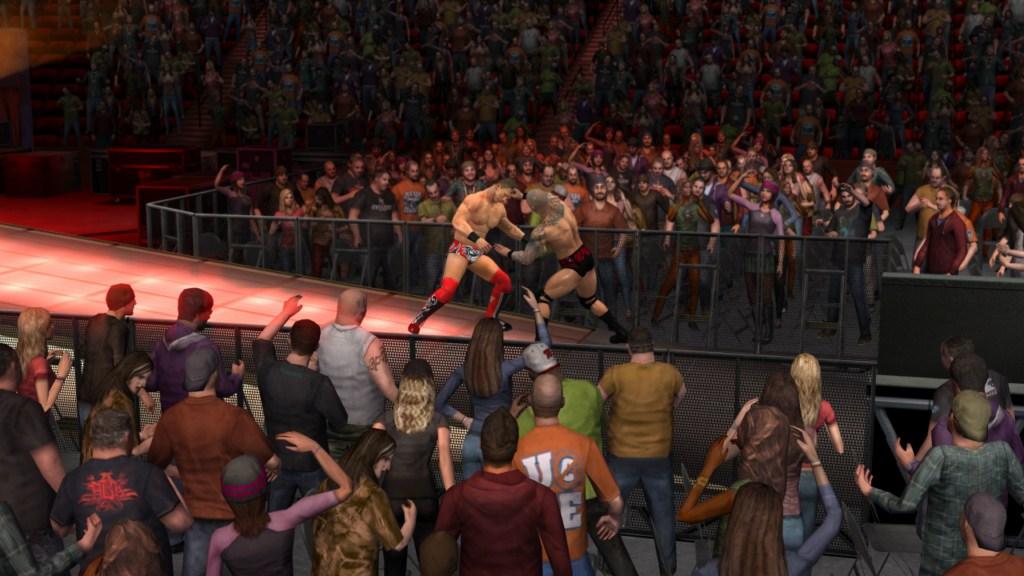
All of the match types that players have grown to love over the past years will return. Throughout the game you will get a chance to participate in 1-on-1, tag, Inferno, Submission, Hell in a Cell, Cage, Eliminations Chamber, Royal Rumble, Championship Scramble, Iron Man, Ladder, Tables, TLC, Last Man Standing, First Blood matches and others. The Hell in a Cell match in particular has been revamped to better meet the demands of the fans. THQ admits that the version of the match that has been included in the previous installments has not allowed gamers to participate in matches that were representative of the actual match… not any more. For starters, the size of the cell itself has been expanded; there is a much wider space outside of the ring between the cell and the ring itself. This allows players to pull weapons from under the ring and incorporate them in the match. The door of the cell has been removed as well. There is no simple exit to the Cell now and players will need to inflict enough damage on the outside panels in order to crash through them and gain access to the outside. To do so, you will need to earn a signature / finishing maneuver and perform it near the outer two panels closest to the announce tables. Once outside, as you would expect, you can take the fight up to the top of the cage.
When players are on top of the cage, more options and special animations have been instituted for dispatching your opponents off of the top of the cage. The special maneuvers and animations on the top of the cage do not require a special status and can be performed at any time. This will include things such as performing the Undertaker’s Last Ride from the top and using Shawn Michael’s Sweet Chin Music to launch someone down to the floor below. Players can also crash through the center panel on the top, down into the ring below.
While there are about 60-70, preset match types included in the game, THQ is introducing an all new match creator in this year’s game. This mode will allow players to construct, and save, their own match details in pretty much every way that you can imagine. If you want to set up a 60-minute iron man match inside an Inferno match setting, go ahead. Want to change a match stipulation to be that the first person who lands a finishing maneuver wins, or perhaps who can hit the most over a set period of time? The options are all there. There is some limitation to the match options based on the initial match type chosen in this mode; for example, if you initiate an Inferno Match, rope break options aren’t available… or if you choose a First Blood match, pin and submission options will not be accessible. When you create new matches, you can save them and use them at any time and in any mode; they can even be incorporated in the new WWE Universe mode.
Smackdown vs Raw 2011 also introduces an all new online Royal Rumble for the game. This mode allows up to 12 players to battle it out in a Royal Rumble with up to 30 characters. Players are not only competing to simply win the Rumble in this mode, but to accumulate the most prestige points throughout the match. Prestige points are awarded throughout the match for various accomplishments such as eliminating an opponent or even avoiding a potential elimination yourself. These points, which are called Prestige points, allow you to “level” or rank up your online profile.
The amount of points awarded during a match is based on the amount of players participating in the match. Let’s say that there are only 2 human players involved in a match; the game will only award the players with 10% of the Prestige points that they accumulate during that match. If you manage to fill a room with a full 12 players though, you will get 400% of the points earned. Just because you are eliminated from the match doesn’t mean that you game is over. You will be allowed to return back as a future entrant in the rumble after everyone waiting ahead of you have entered the ring. The goal of the mod is focused more on accumulating the Prestige points than it is actually winning the Rumble… even though winning the Rumble itself gives you a nice Prestige point bonus.
As I mentioned, there are numerous categories that you can earn points in: elimination, victory, challenge, and quiz. Elimination bonuses are pretty self explanatory; you earn them by either eliminating an opponent or by staving off elimination yourself. Victory bonuses are award to the player who actually wins the match and challenge bonuses are often given out throughout the match for different feats. The bonus that requires the most explanation is the quiz bonus. This bonus is only offered when there are more than 6 players participating in an online Royal Rumble. Since the game only allows six characters / players in the ring at a time, those who are waiting in the queue for a chance to play will be given a chance to earn points by correctly guessing the answers such as “who will be the next superstar to enter the ring?” or “who will be the next superstar eliminated?”.
I spent a ton of time playing the online Royal Rumble during our visit and found this mode in particular to be extremely entertaining and addicting. There were numerous rivalries, and partnerships for that matter, forms between the journalists throughout the evening and everyone kept coming back for more. This mode is an absolute blast to play and will likely be a hit amongst fans of the game. I should also note that when a player sets up / hosts an online Royal Rumble, they are given the option of allowing or banning custom creations in the match… so bring your favorite created superstar and have a blast.
WWE Universe Mode
The WWE Universe is the biggest feature that is being advertised for the game. The feature was revealed last month in trailer form only and I can assure you that the details given in that trailer merely scratched the surface of what this mode has to offer. I would probably describe the mode as being a wrestling simulator. In this mode, which actually encompasses everything that you do in the game itself, the computer monitors everything you do: who you play against, decisions you make, win-loss records with characters, etc. All of this data reflects changes made in the “environment” of the game, as in who holds which title(s), feuds and friendships, and event stables and tag teams in a way. Within the actual mode itself, players will control a WWE calendar that is generated based on what is monitored throughout the rest of the game. The computer will set up matches and cards for different WWE events, maintaining of Raw, Smackdown, and Superstars television shows and a monthly PPV.
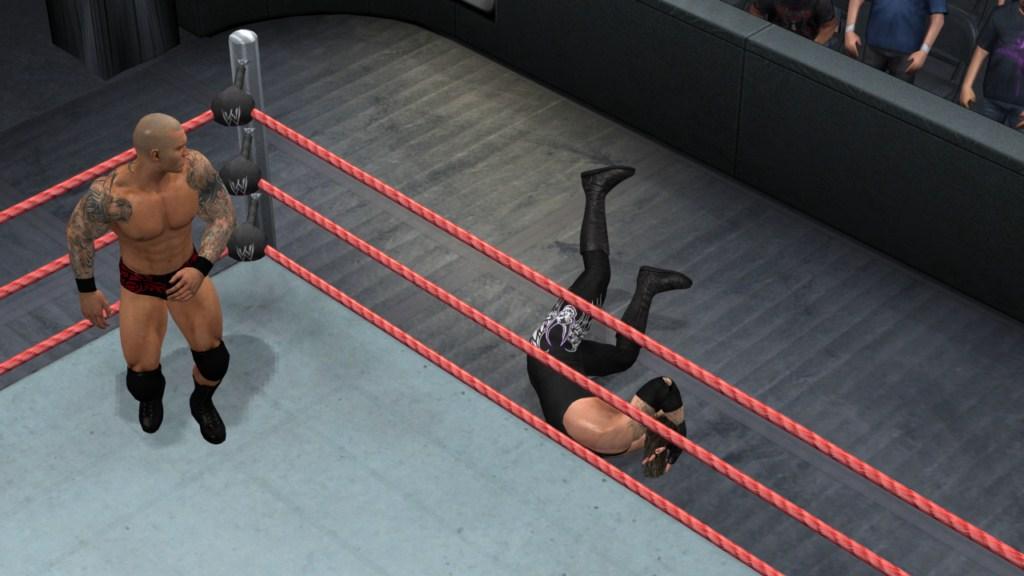
Everything that occurs during these events will play into the future events and scheduling. You can choose to either simulate ot even play the scheduled matches as you see fit. The game will keep track of who fights who and who wins and losses… forever. The mode itself is endless. The rules that encompass the mode are based on rules that are used in the WWE; for example, whoever wins the Royal Rumble in a given year will face the champion at the following Wrestlemania. When a superstar wins the Money in the Bank match, you will be able to cash in that briefcase on their behalf during any championship match in the following calendar year. The game will look at the wins and losses of the various characters throughout all of the modes and construct a “superstar rankings” which the mode will reference to determine title contenders for most PPV events throughout the year. If you want to make Evan Bourne a true contender for the WWE Title, then put him to use in the various modes and help him earn his way up the rankings.
You will undoubtedly run into changes throughout the WWE Universe that you may not like. Perhaps tag teams are split up or perhaps alliances formed that you just don’t want to see happen. Players will simply need to enter the My WWE option in the main menu and adjust the alliance / allegiance options accordingly and it will be like it never happened. The game will take notice of your changes and institute them throughout the WWE Universe, making it more to your liking(s). At the same time, you can disable the WWE Universe option if you want to participate in some matches that you don’t want to affect your game. The option is there for you to turn off / on at your own will.
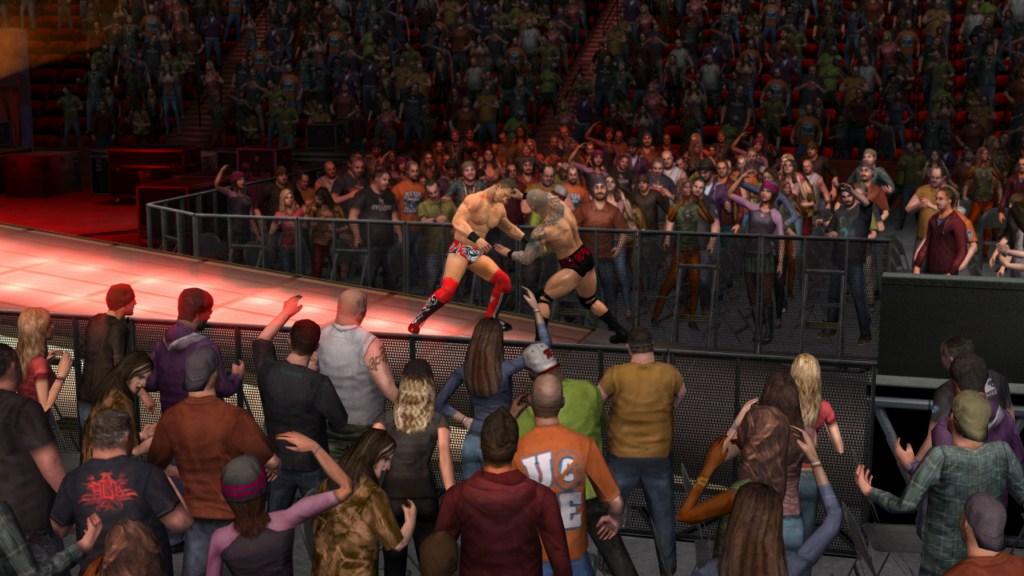
Theoretically speaking, I envision this mode as turning into a booking simulator similar to the likes of Extreme Warfare Revenge or Total Extreme Wrestling or perhaps even allowing players to run their own promotion with their friends. Players can utilize any characters within the game, both custom and original, however it will only acknowledge those that are assigned to either the Raw or Smackdown brands (more on that later). You can basically build and simulate your own wrestling promotion and run it indefinitely. The WWE Universe mode supports offline multiplayer and will allow you and your friends (four on the Xbox 360 and six on the PlayStation 3), to pick up controls and control anyone listed in a match on the generated schedule(s).
Road to Wrestlemania Mode
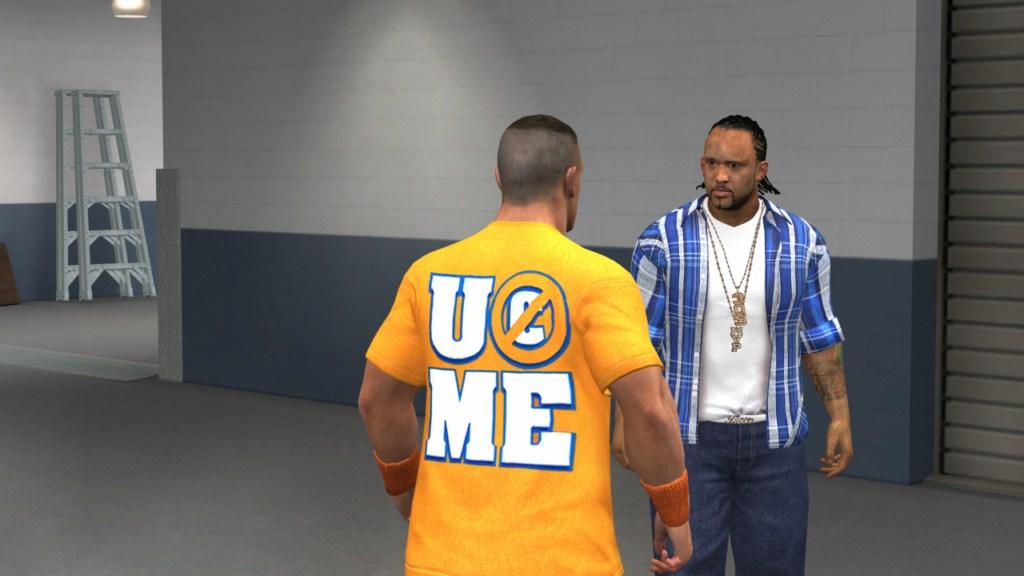
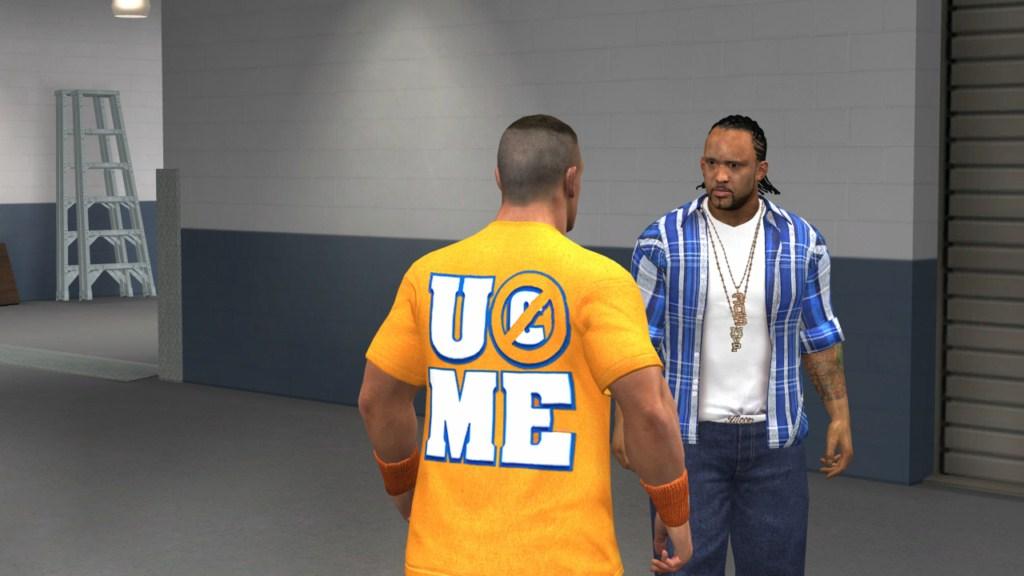
This year’s edition of the Road to Wrestlemania mode includes 5 separate scenarios for gamers to play out: Undertaker, John Cena, Christian, Randy Orton, and Rey Mysterio Jr. The Undertaker’s story is a little more expansive than the others as you can choose from 5 different versions of his story which determines who his feud(s) will focus on; in addition to four pre-determined characters for his mode, you can incorporate your own created characters in his story as well.
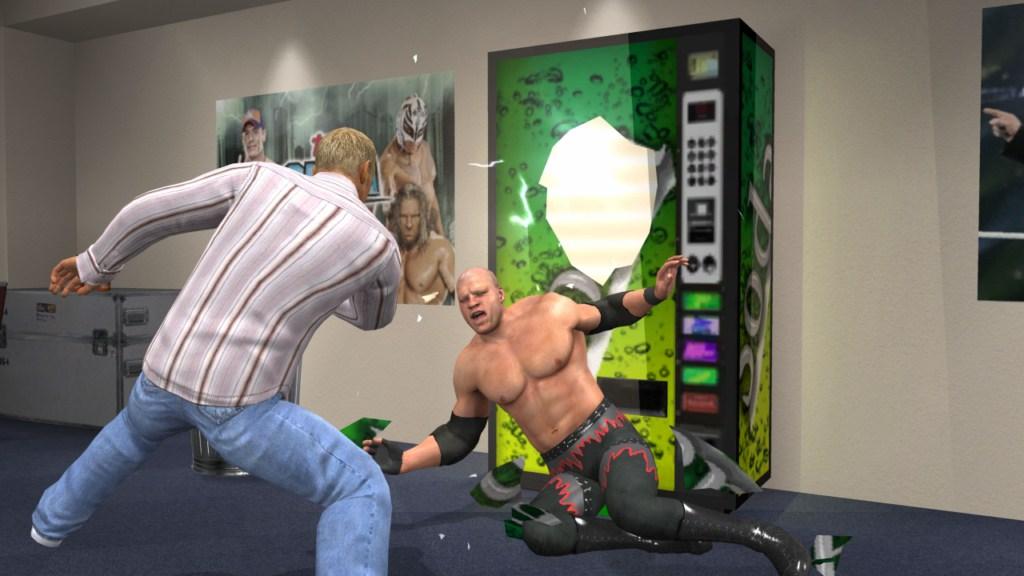
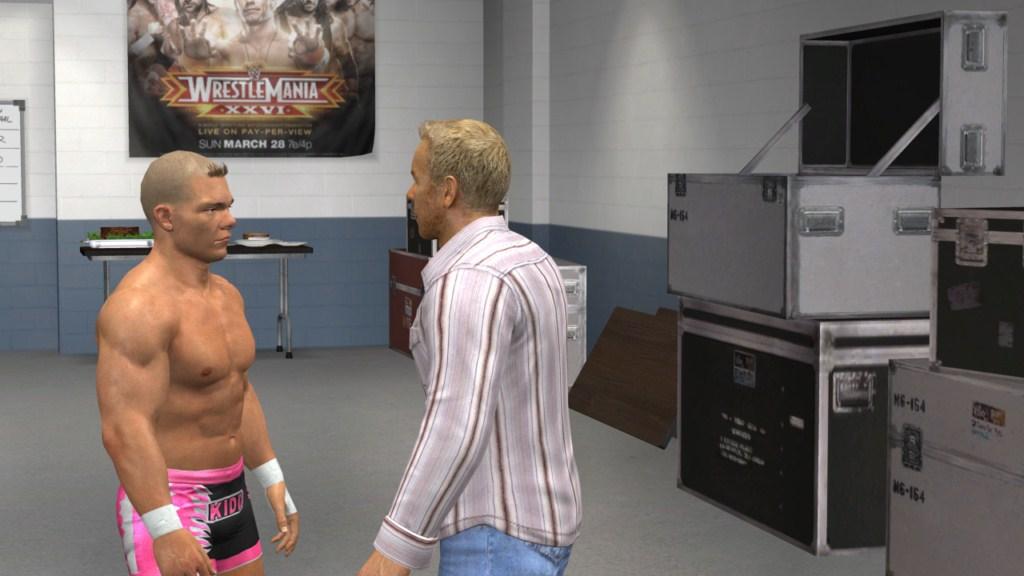
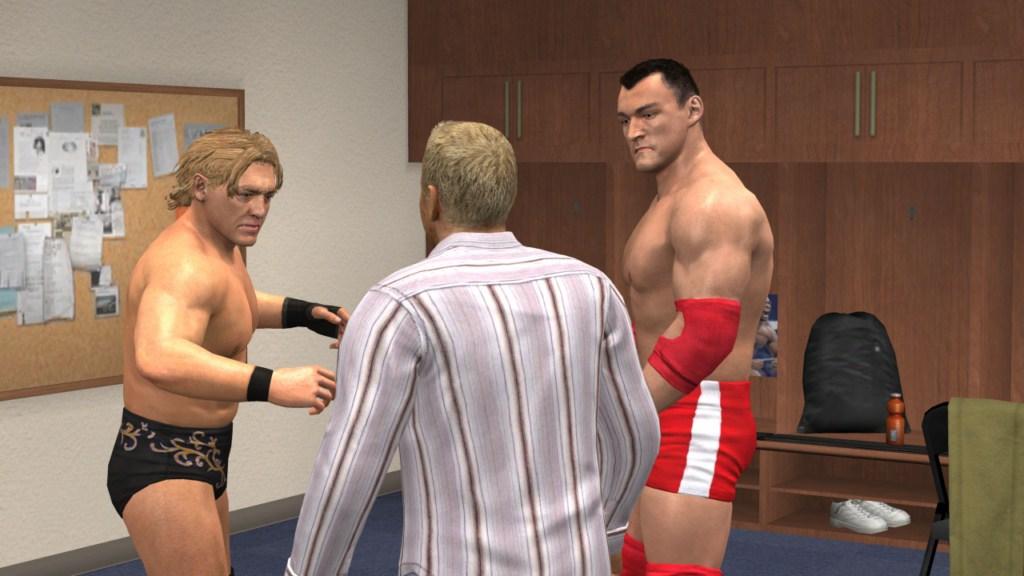
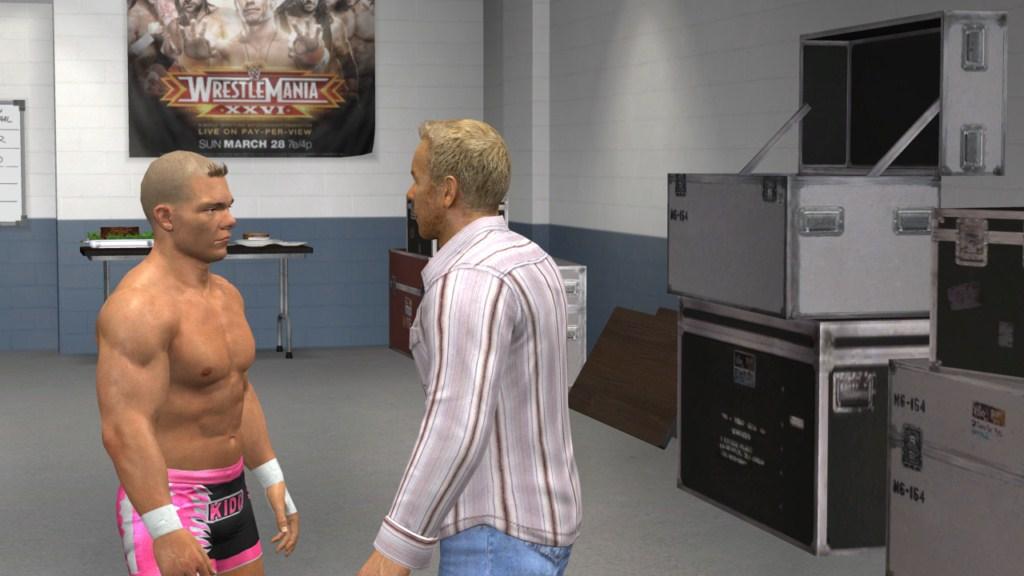
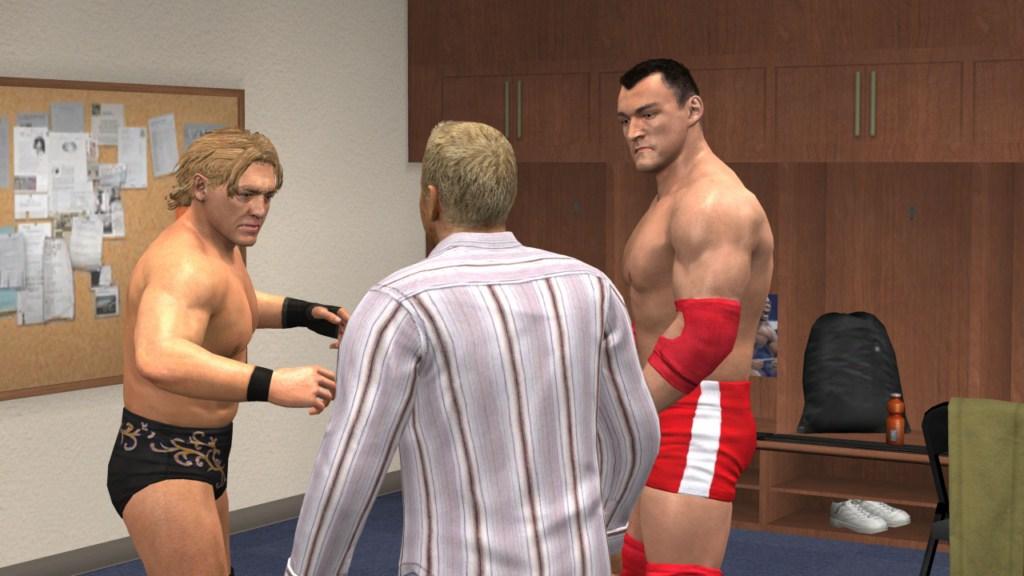
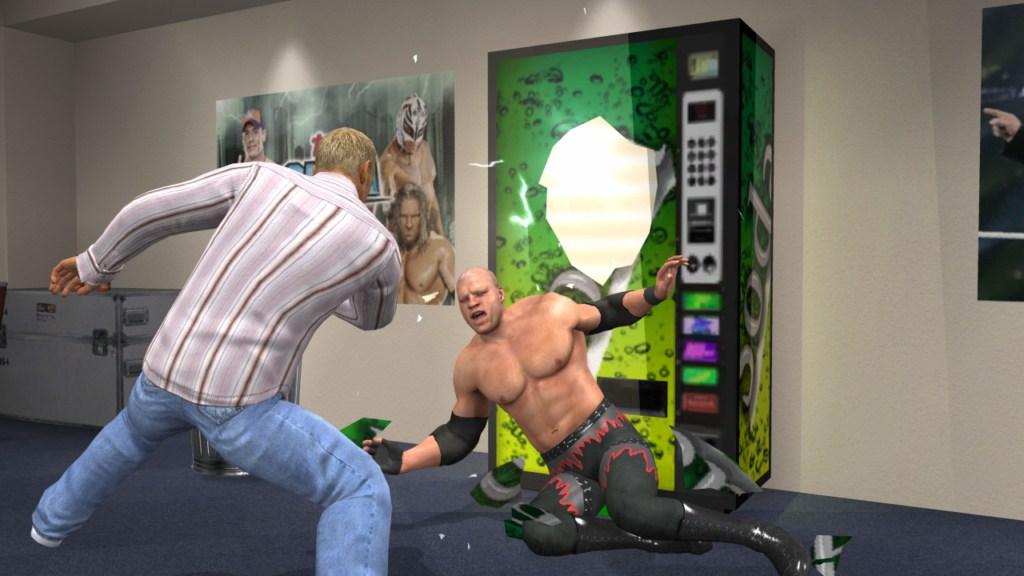
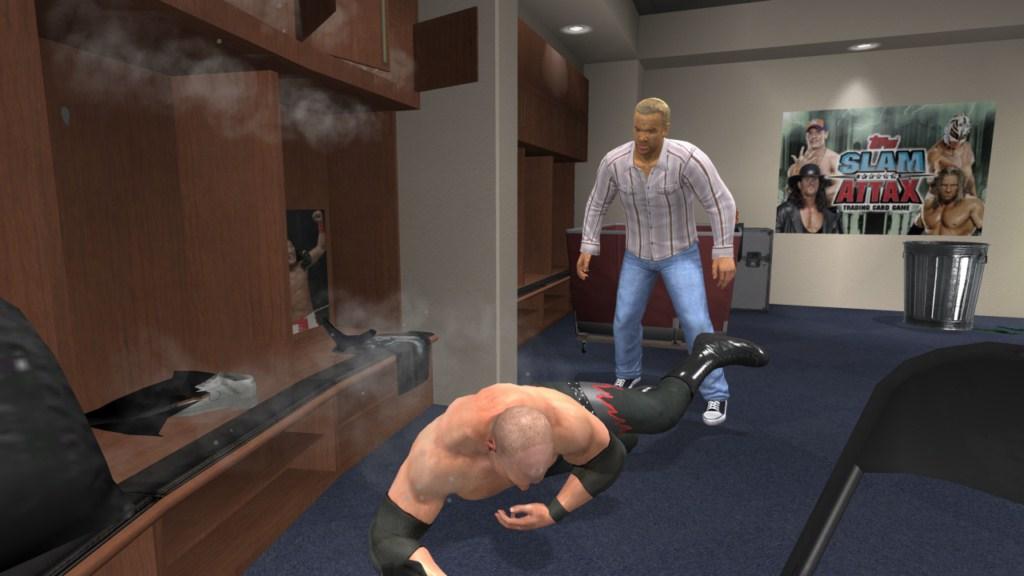
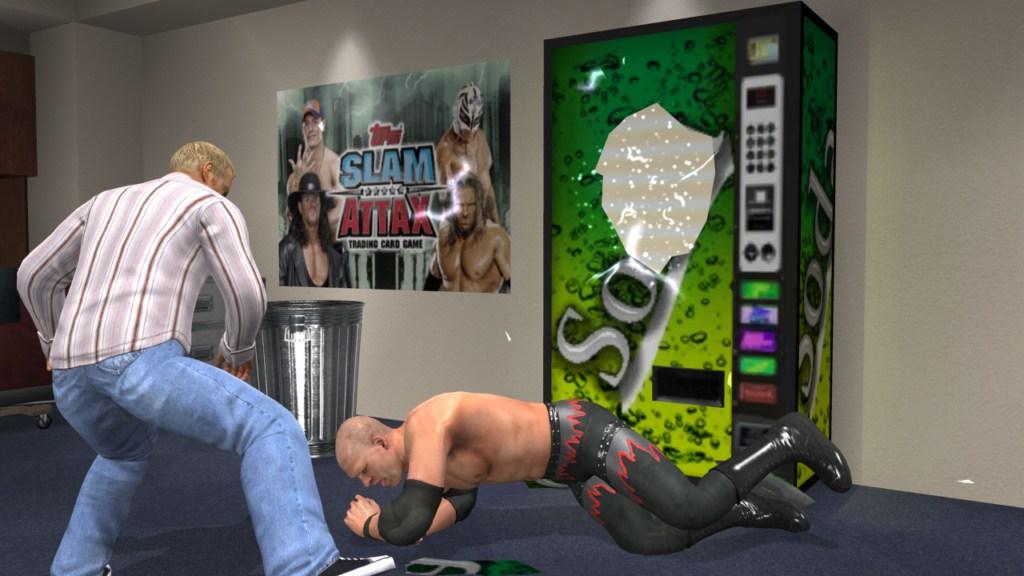
This year’s mode also introduces a free roaming backstage area; no longer will the mode only consist of a cut scene and then a match, rinse and repeat. In Smackdown vs. Raw 2011 players will be able to explore the WWE locker room and backstage area in order to advance their character’s storyline. You will interact with different superstars throughout the WWE Universe ad well as seek advice and support from athletic trainers. As you progress through this mode, you earn points which can be spent at the Athletic Trainer to increase and improve the abilities of your character. While the main storyline is set in stone and linear in this mode, there are option interactions you can engage in such as picking fights with other characters and initiating mini games which will earn you extra points to improve your character.
Customization Options
As I mentioned earlier, the game now includes a match creator which allows players to customize and save their own match types throughout the game. Match creation isn’t the only creation mode included in the game though as all of the traditional creation modes from the past. Once again, players will have access to the following creation modes: create a superstar, story designer, create a finisher, create an entrance, and highlight reel.
The create a superstar mode mode has expanded with a ton more accessories and options in order to assist you in creating the characters that you want to see in the game. There have been some changes made to this mode that I am sure many players will appreciate; first off, created characters will no longer have to earn stat points throughout their career in order to become effective characters. This was arguably my biggest complaint with the previous create a superstar mode; it was extremely annoying to create a spot on Ultimate Warrior yet his abilities were so lacking that he could barely beat Chavo Guerrero. This time around, players will be given stats to distribute to their character during their creation, which will allow you to accurately build the character(s) to your liking from the start. This year’s game will allow you to create and save 50 created superstars and once again, they can be shared online through the games online sharing mode(s).
This year though, gamers will be able to take any characters that they download from the internet back into the create-a-superstar mode and change them as they see fit. This includes further customizing or changing their move sets and even their physical characteristics. On a side note, I should also mention that you will be able to edit existing move sets within the game for the stock characters as well. This will help you keep your game up to date with the current roster and repertoire of the actual WWE roster.
The story designer returns in SvR 2011. This time around, the maximum number of characters that can be used in the mode has been upped to 15 and they will no longer be limited to 10 uses in a given story like they have been in the past. There are plenty of other options being added to the story designer this time around to which will improve the mode significantly. On the cosmetic side of things, in a sense, players can now incorporate the play by play announcers in their choreographed cut scenes by selecting from a list of sayings in the game. Championship belts can also be added to any cutscene as well, unlike last year when there were only certain scenarios which it could be used. Offline multiplayer is supported in created stories, maxing out at 4 players on the 360 and 6 on the PS3. Perhaps the biggest addition to the story designer mode is the ability to utilize branching paths in your story. You can use this option to create different manners in which your stories / scenarios will play out. Perhaps you want to take the story in a different direction if the player loses a particular match, the game now allows you to set up those options and map out story-arcs accordingly.
Create a finisher has returned as well with a load of new animations and even a new “scenario”: corner finishers. Gamers can now design finishing maneuvers that require their character to position the opponent in the ring corner and on the ropes. There are 130 save slots for create a finisher mode. Both the entrance and highlight reel options also return from the previous game, with the PlayStation 3 version allowing users to upload videos directly to Youtube. Sadly, the Xbox 360 players will once again miss out on this feature.
Roster / Superstar settings
The roster of playable superstars in Smackdown vs. Raw 2011 is the largest THQ has ever assembled for a game. The complete roster of the game boasts over 70 wrestlers and divas from the WWE. Players will notice that this year’s game utilizes an entirely new superstar selection screen, resembling something more long the lines of a fighting game than the traditional SvR games in the past years. Instead of sorting through an alphabetical list of names, players are shown a grid on a selection screen that looks like it was ripped straight out of Street Fighter. There are three rows of choice, with the top two rows consisting of 21 characters. A large majority of the characters are locked when you start your game and you will have to earn them throughout the various modes. Characters will be unlocked throughout your experience in both the Road to Wrestlemania and WWE Universe modes of the game. In addition to those included on the character selection screen, there are also options to access created superstars, downloaded superstars, and the various WWE Divas.
All of the characters in the game can be altered through the My WWE option like they could last year which will allow you to change their alliances and feuds, belt assignments, and even their brand assignments. The game gives you the option of a wide variety of “brands” to associate your characters with; in addition to the expected Raw and Smackdown brands, players can also choose between WWE Legends, WCW, and a locked brand. This gives a little bit of a hint to the sorts of other things that can be unlocked throughout the game; clearly there is more than just locked, playable superstars. We know from the official website that the game will be including WWE Legends such as Bret Hart, Lex Luger, and the British Bulldog… but who else? The game also allows you to create your own brand using an in game paint design tool. If you want to create a TNA or Ring of Honor stable, put your artistic talent to the test and go right ahead.
Aside from just unlocking characters to play as in the game and the locked brand mentioned above, the My WWE mode gives hint that there are numerous other unlockables to be found throughout the game as well. We were not given any clue as to what these may be, but there are 9 locked belts in this mode. We could speculate for ages on what other titles are included in the game. The titles that are not locked include the WWE title, World Heavyweight, Intercontinental, United States, Diva’s, Women’s, and both Tag Team titles. Personally, I would like to at least see the Million Dollar belt included as one of the nine unlockable titles.
I don’t know what else to cover. There is a LOT to this game. In addition to all of the content included on the disc, the customization and personalization options in the game seem almost endless (despite the limited save slots). I have played a lot of wrestling games in my gaming career, stemming all the way back to the original Wrestlemania and Pro Wrestling on the NES. I have never really been a fan of the Smackdown series of games but have slowly been coming around in the past 2 years; this year’s edition has completely turned me into a fan. Wrestling fans are truly in for a treat later this month when THQ release Smackdown vs. Raw 2011 as this could be the best wrestling video game to date… bar none. The game launches on October 26… do youself a favor and check it out.
We would like to thank THQ for organizing the event and providing transportation and lodging.
* The product in this article was sent to us by the developer/company.



About Author
Guess who's back!!! If you have been here before, you know the basics: lifelong gamer, father, and of course, former certified news monkey. I still consider myself all of those things, just maybe not in the grand scale that I once did. I’ve been blogging on the industry for more than decade now, in some form or another. It wasn't until I landed here at Gaming Nexus that I really dove in head first. Now, writing about games has become what I do for fun (and sometimes work) and something I intend on doing until the day I die (in some form or another).
I'm a huge fan of just about everything you can interact with using a controller, no matter how old or new, good or bad. If you put it in front of me, I will play it (at least once).
